Solutions
Identify declining creative performance on the ad-buying side of media quality before engagement drops, costs increase, and budget is wasted.

Creative fatigue is one way spend leaks before the click. Azulens connects it to the whole journey: the ad you buy, the page it sends people to, and the conversion you pay for.
Tired creative wastes budget before the click. Azulens watches what happens after it too — the page, the tracking, the sale.
Creative fatigue rarely appears as a sudden failure. Most performance declines happen gradually over time.
Most creative fatigue starts with small changes that are easy to ignore. Click-through rates decline slightly, engagement becomes less consistent, conversion efficiency weakens, and acquisition costs begin to rise. None of these changes look alarming on their own, which is why fatigue often goes unnoticed for weeks.
At the same time, teams are managing multiple campaigns, audiences, and creatives across platforms. When performance is reviewed manually, gradual declines are difficult to spot because every day looks similar to the one before.
Advertising platforms provide the underlying metrics, but they rarely explain whether a creative is losing effectiveness or simply experiencing normal fluctuations. The challenge is understanding when small changes become a meaningful performance decline.
By the time creative fatigue becomes obvious in dashboards, significant budget has often already been spent on declining performance.
Creative fatigue is rarely caused by a single metric. Azulens monitors creative performance, audience response, and long‑term trends to identify declining effectiveness early.
Azulens continuously monitors click-through rates, engagement metrics, conversion efficiency, cost per acquisition, and other performance indicators. Instead of reacting to isolated changes, teams receive alerts when multiple signals suggest a creative is losing effectiveness.
Frequency growth, audience exhaustion, declining engagement, and reduced response rates can indicate that the same people have seen a creative too many times. Azulens identifies saturation patterns before they become visible in overall campaign performance.
Creative fatigue is often a gradual decline rather than a sudden event. Azulens analyzes performance trends over time to distinguish normal fluctuations from meaningful deterioration, helping teams identify fatigue before costs increase significantly.
The earlier fatigue is identified, the more time teams have to refresh creatives, test alternatives, and maintain campaign performance.
Azulens identifies declining creative effectiveness early and delivers clear recommendations before costs rise and engagement drops significantly.
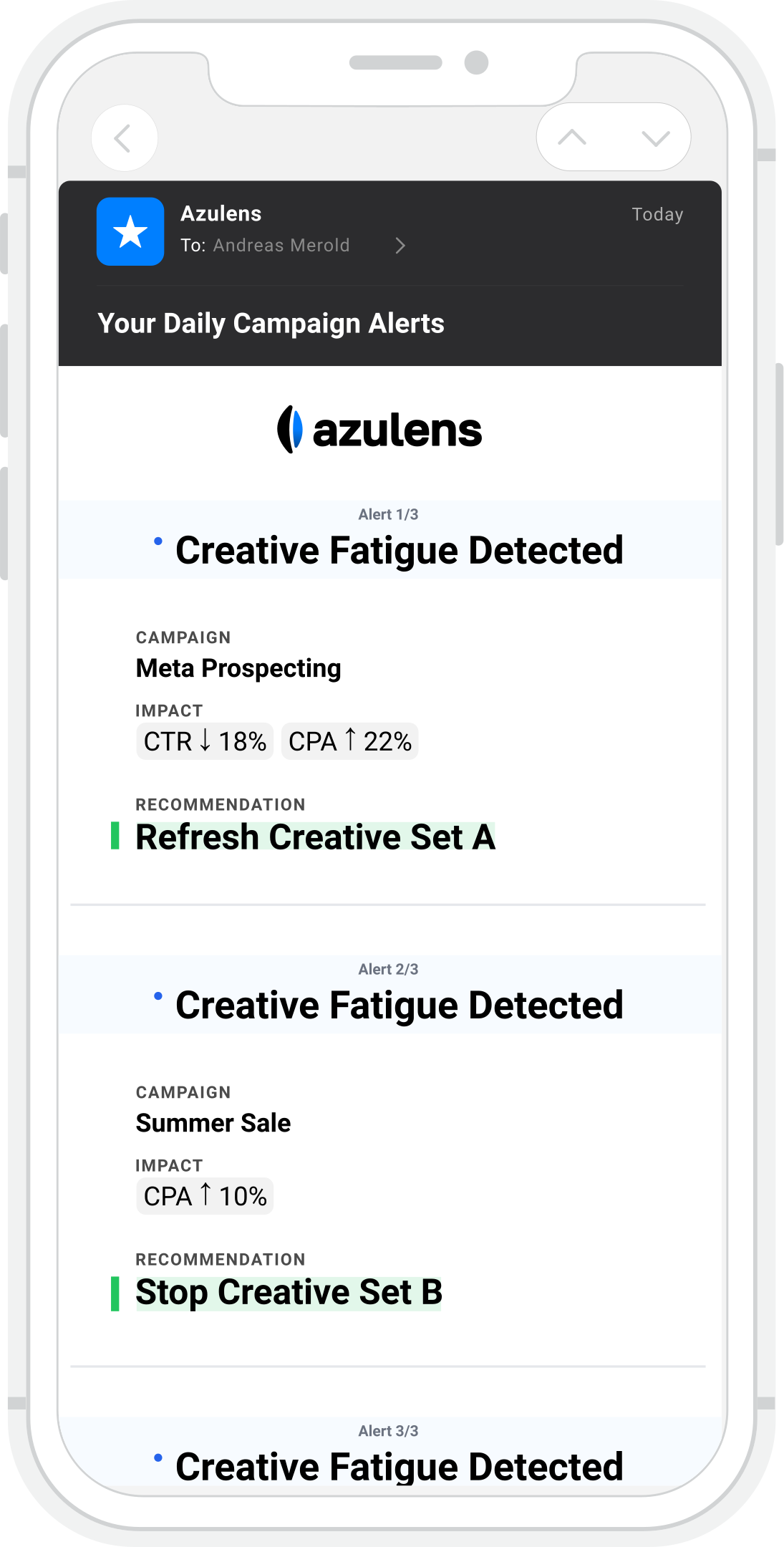
Creative fatigue rarely appears as a sudden performance drop. Most campaigns experience gradual declines that are difficult to spot during daily reviews.
Because the changes happen over time, teams often continue investing budget into creatives that are steadily becoming less effective.
Early fatigue detection gives teams time to test replacements, rotate assets, and maintain performance before costs increase significantly.
Detecting fatigue is only the first step. Teams still need to understand why performance is declining and what actions should be taken next.
A fatigue alert tells teams that creative performance is declining. The next challenge is understanding what caused the decline and determining the most effective response.
Some creatives suffer from audience saturation. Others lose engagement because messaging becomes repetitive, competitors introduce stronger alternatives, or campaign conditions change. Understanding the root cause is essential before making creative decisions.
Azulens provides the context behind every fatigue alert, helping teams investigate performance trends, understand audience behavior, and make informed decisions about creative refreshes and testing strategies.
Instead of guessing why performance declined, teams can immediately access the signals, trends, and supporting context behind every fatigue alert.
The cost of creative fatigue isn't the performance decline itself. It's how long teams continue spending budget before they realize it's happening.
Creative fatigue rarely causes campaigns to fail overnight. Instead, performance gradually deteriorates while budgets continue to be allocated to assets that are becoming less effective. Because the decline is often incremental, teams may not notice the problem until acquisition costs have already increased significantly.
Many organizations review creative performance weekly or monthly. By the time a fatigue issue becomes obvious in reporting, a substantial amount of spend may already have been directed toward underperforming creatives.
Early fatigue detection gives teams more time to prepare replacements, test new creative concepts, and maintain campaign efficiency before performance issues become expensive.
When teams identify fatigue early, they can test, learn, and replace creatives proactively instead of reacting after performance has already declined.
Tell us about your campaigns and we'll take it from there. We connect your accounts, set everything up, and get you to where you can see exactly what needs attention.
